
Channel Marketing is such a specialized marketing challenge. I’m not a career channel marketer, I’ve only dipped my toe in that world with a couple of companies.
I think in the world of all marketing professionals, the channel marketers are the ninjas. They are the stealthy ones convincing companies with all different goals, strategies, locations, and customer types to pay attention to their product and adopt their programs to sell more of their products. Also, as new trends come up like showrooming, big data usage, or mobile shopping, channel marketers are the ones standing at the bottom of that proverbial hill that the poo rolls down. They have to interpret how those trends affect not only their products but understand how it is affecting dozens of types of resellers and retailers and then determine how to respond. Whew!
So now what? We’ve all agreed that the ninjas of the marketing world deserve a fist bump, but in the ever changing world of technology and marketing, are there strategies that can help them? In a word, yes. The channel marketers newest weapon of choice to consider is affiliated exclusive discounts.
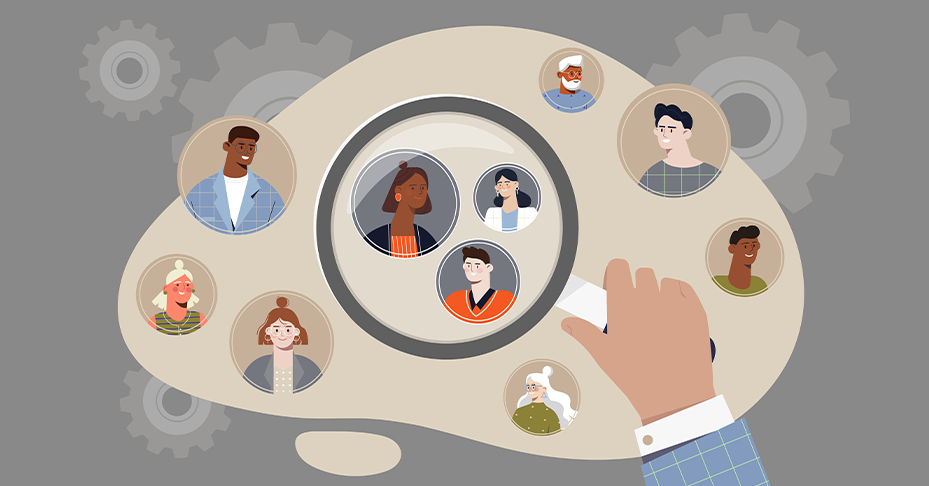
Note I didn’t say “affiliate discounts” that’s completely different. I’m talking about offering a discount for your products to pre-defined groups of consumers that your resellers can attract to create new and loyal customers. Instead of looking at your resellers existing customers and speaking to them, look outside of that to where new customers could be coming from. Here are a few examples, then we’ll talk about how you turn this strategy into a channel marketing program:
Businesses
Um duh, that’s covered. But what if you broke down businesses and offered discounts to the target markets you wanted. Create special programs for specific SIC codes, or for women- or minority-owned businesses, or specifically small businesses. Or better yet, offer the verticals to your resellers, let them decide who the program targets.
Continue reading
you pull out your smart phone and look up the pricing of the same product on Amazon, Best Buy, and Walmart. Chances are, you’ll find it for a little cheaper, which then leaves you to decide if you head to the Target check-out with just the red velvet cookies, the $9 polka-dot push-up bra, and three plastic chairs for your patio, or if you add the Ipad to your not-as-random-as-it-seems collection of purchases. As you can imagine, Target, and other big retailers, are spending a lot of money, energy, and brain power to come up with ways to push your decision in their favor.

First and foremost,