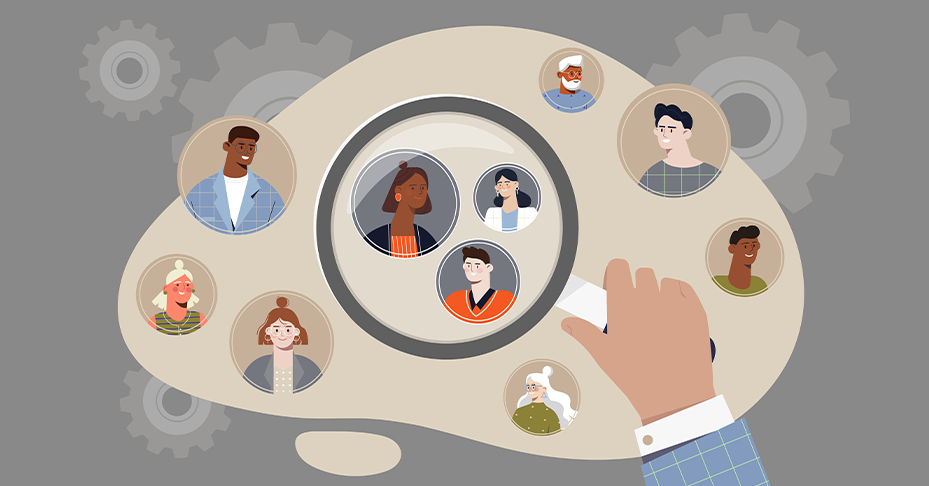

SheerID was commissioned by one of the largest Internet retailers on the planet–wait can I say their name? Apparently it would cost me $300 to get an answer from our attorneys, so I’ll just leave you to guess. Anyway, this galaxy sized company asked us to conduct a statistically significant survey of college students to find out what they know and what they think about student discounts on software.
Now that may sound silly. Really, we need to conduct a survey to ask college students what they think about student discounts? Isn’t that kind of like the study done on rats to determine if they prefer a diet of only dark chocolate over electric shock? But actually, it was extremely informative. So sit back with your box of dark chocolates (or your taser if you prefer) and be prepared to be astounded.
I’m so confident that this blog post will keep you on the edge of your seat that I’m going to start with the big finish. Drum roll please…
66% of college students are not aware they are eligible for student discounts on computer software.
I know right? Who knew? Well, college students knew that they didn’t know and now we know because we asked them.
Why should you care if you don’t sell discounted software? Here are the lessons to be learned, five of them actually:
- Don’t assume
- Stop listening to the conversations in your own hallways
- Ask your customers
- Listen to your customers
- Stop the spin
The truly astute may have figured out that I just said the same thing five times in five different ways. That’s right genius—don’t assume.
1. Don’t assume that your customers already know everything. I took a job at a company that sold domain names, hosting plans, weird DNS thingys, and templates to build your website. At the time they hired me, they were 4th or 5th in the market, quickly plummeting to 15th. They asked me to figure out why. When I conducted user studies on their front page and asked users to put everything in their shopping cart that they needed to build and launch their own website, the users scored 0%. Not one single user over a week long study could figure out how to buy what they needed
from this company who had been in business for a decade. Don’t assume.
2. Don’t assume that the employees in your company represent your customer. At PETA, once we added a forum to our website to “go all Web 2.0 on ya’ll”, we were stunned at how often people asked for the definition of vegetarian and/or vegan. You’ll find yourself sitting in so many meetings, and brainstorming and writing about your products that you forget that your entire customer base wasn’t in those meetings. Don’t believe me? Read on friend.
3. Don’t assume that you know your customers’ needs. Go ask them. When was the last time you conducted a usability test on your website? When was the last time you looked at Google Analytics to see what terms people were typing in to find your website? When was the last time you conducted a survey through your newsletter? Go ask your customers what they want and how you can fulfill those needs. Remember the galaxy sized company? They are one of the biggest because they do things right. They didn’t assume, they asked.
4. Don’t assume that you know what your customers are REALLY trying to say. At the knitting supply company I worked for, we wanted to start doing instructional videos as part of our campaign to become the thought leader of the knitting industry. As knitters, we thought we knew what videos our customers would want–how to knit a purl stitch, how to cast on, how to cast off, etc. While we were brainstorming and patting ourselves on the back for knowing it all, the token guy in the office checked Google Webmaster Tools and bravely interrupted the all-girl meeting to announce that what knitters were asking for were videos on how to knit a scarf and how to knit a hat. We listened and made those videos first. We hit 1 million views on our videos on YouTube in three months. Three years later they are at over 9 million views and are without question, the thought leader in the knitting industry. Don’t assume.
5. Don’t assume that you know what your customers are REALLY, REALLY trying to say. So you did the survey, you gathered the results, if you are fresh faced and naïve, you think the next step is to implement changes to meet your customers’ stated
needs. But oh-no. Here in the marketing departments on planet earth, that’s when the spin begins. Don’t give in to that temptation. If lab results come back and tell you that you have high cholesterol, you don’t respond with, “well, what they really mean is that I’m very good looking.” And if you do, your life expectancy just shortened and so will your business’. No really, mix points #1, #2 and #5 together and you’ve created a weapon of mass customer growth & satisfaction destruction.
After taking the time—two weeks to be exact—to conduct the survey of college students, the big guys now know that their task is actually very simple. All they have to do is get the word out about student discounts on software and they can tap in to an addressable market that shoots easily into the billions of dollars. Here at SheerID, we learned bushels more about the college student market and that information is only going to make us more successful.
Good marketers will create a Facebook page and pay someone on Fiverr.com to get them 5000 “Likes” in three days. Great marketers know that the two-way conversation means asking the right questions to real customers, listening to their answers and acting on the information. I know, the second sounds really hard and kinda makes you want to go nap in the back seat of your car. Go ahead and take that nap, it’s ok, I won’t tell. Then come back in, with a car seat crease on your face, and send out that customer survey.
If you are interested in the results of SheerID’s latest survey of college students, email us at info@sheerid.com.
Pingback: Six ways to NOT reach college students | SheerID
Pingback: The Blog Blog–Why and How we Blog | SheerID